
A recurring theme in policing is interaction with persons who are unhoused. Like many other areas of policing, these interactions involve the government using its authority and power to regulate people who are on the margins of society. There is considerable potential for abuse because of the perception — which is sometimes accurate — that the people being regulated have little ability to push back, and that those who hold more power in society would prefer not to get hung up on the fine points of these individuals’ rights.
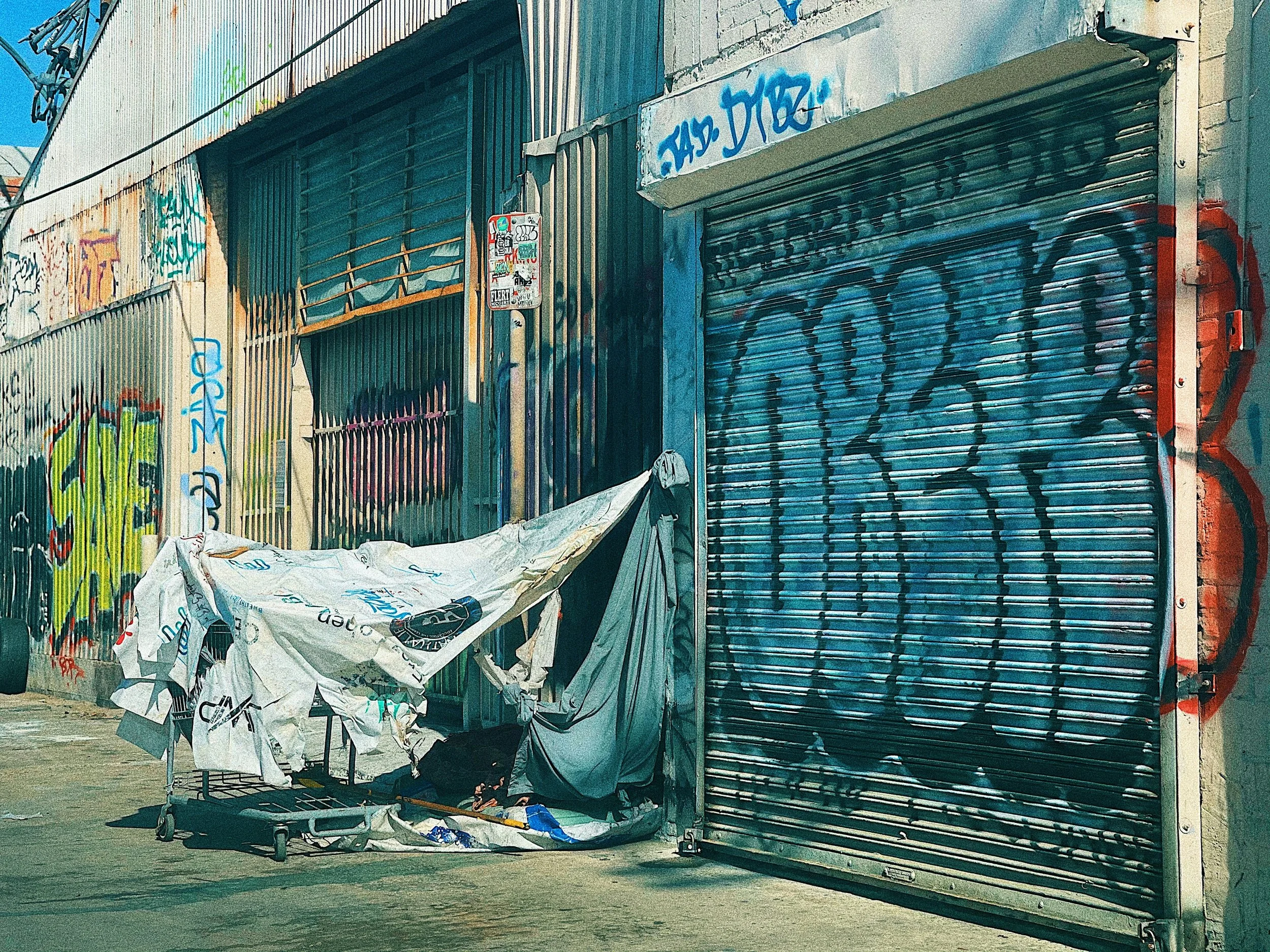
While these interactions can sometimes involve false imprisonment or excessive force, they can also raise concerns specifically about targeting or harassment of persons because they are unhoused, seizure and destruction of property of the unhoused, such as tents and personal belongings, and efforts to regulate the actions of unhoused people around actions such as asking for money or occupying physical space. The legal landscape around such issues is challenging.
In Lindsey v. Normet, the United States Supreme Court declined to find a fundamental right to a “decent shelter.” 405 U.S. 56 (1972). That’s capitalism for you. And as Anatole France one wrly observed, “The law, in its majestic equality, forbids the rich as well as the poor to sleep under bridges, to beg in the streets, and to steal bread."
Nor are the regulatory regimes that muncipalities have in place around actions like camping or sleeping in cars easily vulnerable to legal challenge. In City of Grants Pass, Oregon v. Johnson, 603 U.S. 520, 551-60 (2024), the Supreme Court held that generally applicable laws that criminalize camping on public property do not violate the Eighth Amendment by criminalizing a person’s unhoused status. Cities have the power “to regulate conduct upon a street, sidewalk, or other public place or on or in a place open to the public.” Tobe v. City of Santa Ana, 9 Cal. 4th 1069, 1109 (1995).
Regulation of panhandling can raise First Amendment issues because streets, sidewalks, and traffic medians where panhandling often occurs are traditional public fora. See Comite de Jornaleros de Redondo Beach v. City of Redondo Beach, 657 F.3d 936, 945 (9th Cir. 2011). Anti-solicitation ordinances that are content-based have sometimes been struck down on this basis. See Berger v. City of Seattle, 569 F.3d 1029 (9th Cir. 2009). On the other hand, muncipalities have the power to ban certain types of conduct, on the theory that it is non-expressive, even when that conduct is part and parcel of panhandling. As Berger notes, a ban on the hand-to-hand exchange of money, for example, would probably not implicate the First Amendment, because it would be viewed as non-expressive (the same ordinance might be problematic for other reasons).
Some cases have also found the Fourth and Fourteenth Amendement to be implicated where the government impounded the property of homeless persons left “momentarily unattended.” Lavan v. City of Los Angeles, 693 F.3d 1022, 1032 (9th Cir. 2012); see also Los Angeles Cath. Worker v. Los Angeles Downtown Indus. Dist. Bus. Improvement Dist., No. CV147344PSGAJWX, 2015 U.S. Dist. LEXIS 192461, 2015 WL 13650018, at *1 (C.D. Cal. Jan. 13, 2015) (alleging that the City waited for homeless people to leave property unattended in order to take it without notice).