
A recurring issue in civil rights litigation stemming from the investigation of criminal cases is the so-called “Heck bar,” which is the rule that (to simplify a bit) a cause of action under 42 U.S.C. 1983 can not go ahead if success in the 1983 action would imply the invalidity of the criminal conviction that arises from the same cluster of concerns that give rise to the 1983 action. The classic example of a Heck bar is the Fourth Amendement-based “excessive force” claim that a plaintiff might want to bring against a law enforcement officer under section 1983 stemming from a situation where the plaintiff was him/herself convicted of “resisting” the same officer: the resisting conviction can in many cases block the 1983 claim, though there are some nuances to that idea.
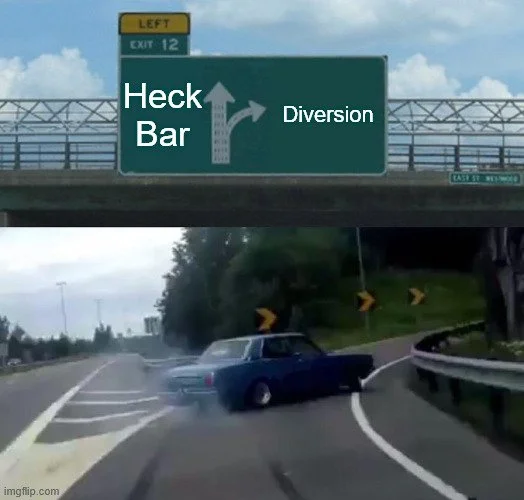
But what if a person gets diversion in a criminal case after a no contest plea, completes diversion, and the charges are dismissed without entry of conviction? In that scenario, at least in the Ninth Circuit, there is no Heck bar. Hollamon v. City of Los Angeles, 709 F.Supp.3d 992, 999 (C.D.Cal. Dec. 22, 2023); Duarte v. City of Stockton, 60 F.4th 566, 572 (9th Cir. 2023).
Note, however, that as a pragmatic matter the existence of the no contest plea may nevertheless make it challenging to get anywhere with the 1983 claim, simply because the defense can argue to a potential jury that the plaintiff admitted wrongdoing, and this analysis depends very much on the specifics of how things played out. As in the consideration of the legal merits of Heck bars more generally, sometimes it is possible that a plea may have related to one aspect of what occurred without necessarily operating as a concession that the behavior of law enforcement was appropriate, so whether the plea will kill the civil case or not just depends on what exactly happened and how it could be plausibly interpreted.
To consult about a potential civil rights case, call today.
Related Post: