
Under Brady v. Maryland, 373 U.S. 83 (1963), the prosecution team has a duty to disclose exculpatory or impeaching evidence to a criminal defendant. Violation of this Brady duty by law enforcement or prosecutors can be the basis for arguments both by defendants/petitioners in criminal cases and by plaintiffs bringing civil rights claims under 42 U.S.C. § 1983.
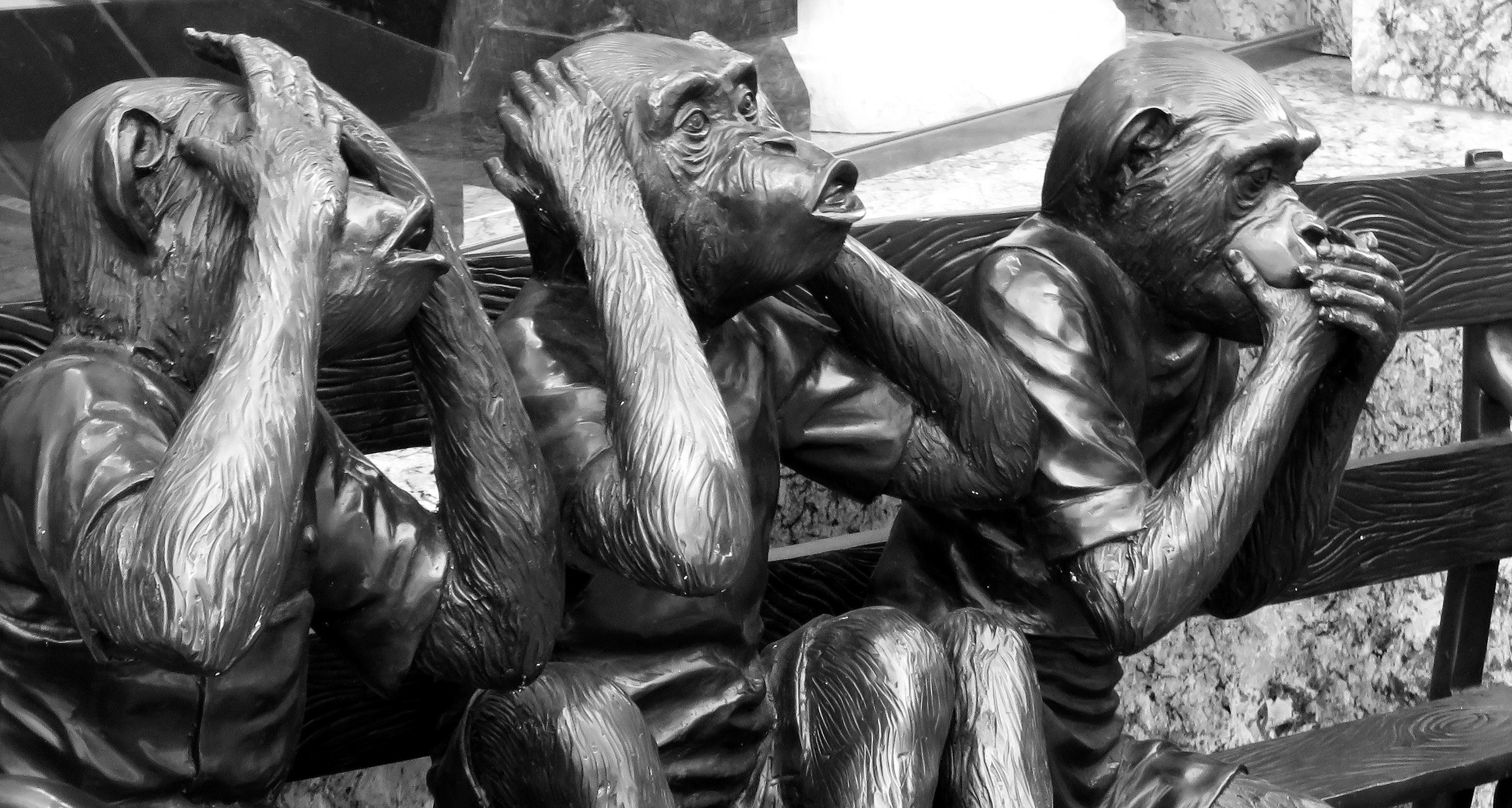
See No Evil: Law enforcement can be subject to liability under Brady when it withholds exculpatory or impeaching evidence. Photo by Paulette Vautour on Unsplash.
To establish a Brady claim, a plaintiff must prove: (1) the withheld evidence was favorable either because it was exculpatory or could be used to impeach, (2) the evidence was suppressed by the government, and (3) the nondisclosure prejudiced the plaintiff. Smith v. Almada, 640 F.3d 931, 939 (9th Cir. 2011). A showing of prejudice requires demonstrating a “reasonable probability” of a more favorable outcome.
In the civil context, it is necessary to show that the actor who withheld evidence acted with at least “reckless disregard for an accused's rights or for the truth in withholding evidence.” Tennison v. City & County of San Francisco, 570 F.3d 1078, 1089 (9th Cir. 2009). This is more demanding than in the criminal context, where there is no requirement of any specific intent showing related to a Brady violation.
Note that civil Brady claims brought by an individual who is still convicted of the related crime are likely subject to a Heck bar. In other words, it is not typically possible to get anywhere in a civil lawsuit about the failure to disclose evidence related to a crime when the conviction for the crime itself remains in place. In such a situation, the more viable approach (or, at any rate, the approach that will not be blocked by Heck) would be to raise the Brady claim via petition for habeas corpus.
Some notable examples of claims that plaintiffs have brought in this area are Jane Dorotik’s case against San Diego County, which settled in 2025 for $500,000 after Dorotik spent 20 years in prison prior to her murder conviction being reversed and the charges dropped; Maurice Hastings’ 2025 $25 million settlement with the city of Inglewood after spending 38 years in prison for a crime he did not commit; and Daniel Saldaña’s $19.1 million settlement with Baldwin Park. Needless to say, these cases are outliers and spectacular high points in what is actually a very difficult area of litigation.
For free consultation about potential civil rights cases, call today.