
A strange legal reality, which is somewhat different different than what common sense suggests, is that the state, including law enforcement, does not generally have a duty to protect people from harm. State actors could be said to have a job to do that, but merely doing that job poorly or in an ineffective manner will not, in general, give rise to legal liability. The classic Supreme Court case on this idea is DeShaney v. Winnebago, from 1989.
The way the courts look at it is that officers have a duty to the general public … but not to any specific person. Therefore if a specific person gets harmed through some failure of law enforcement, that’s not the basis for a lawsuit.
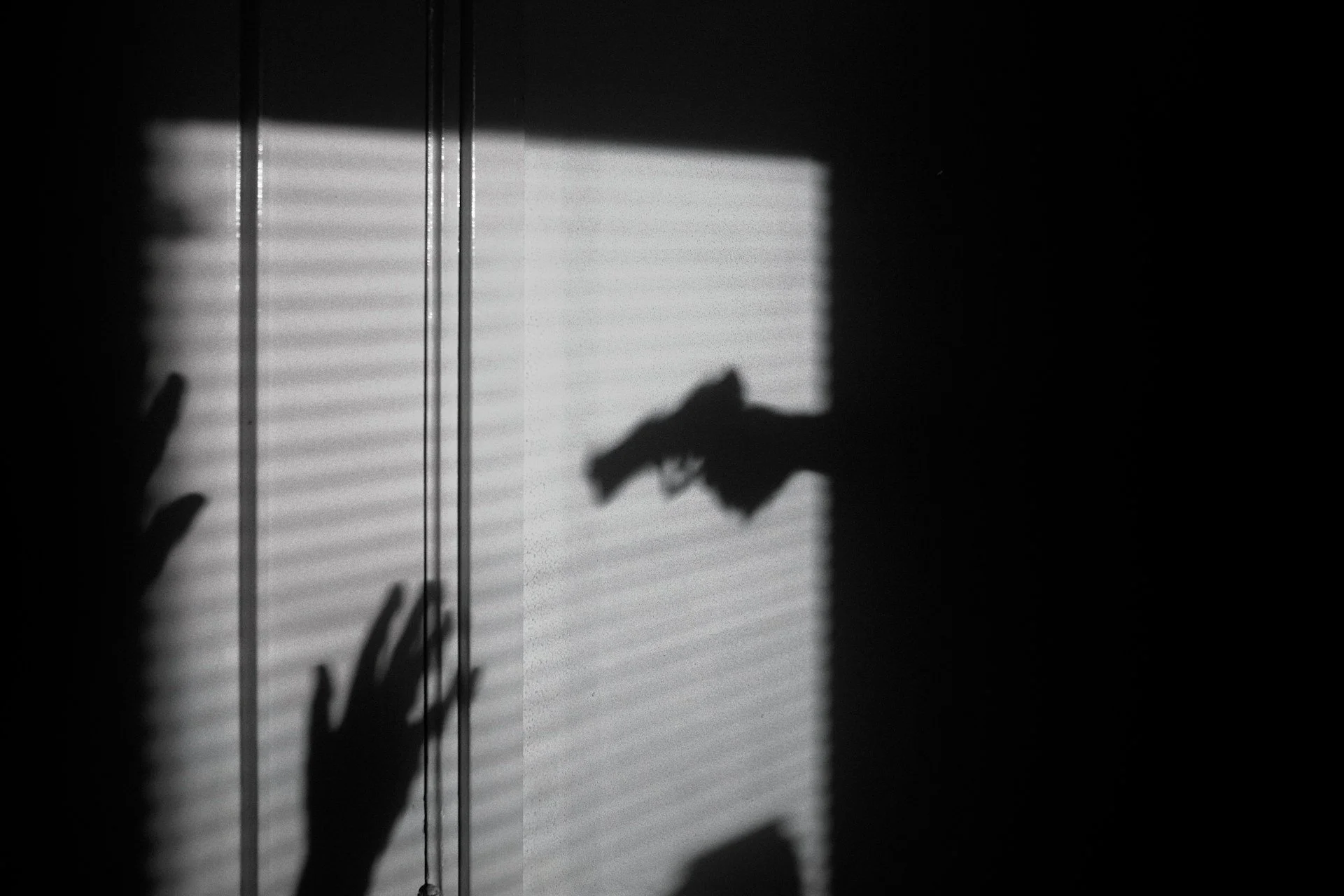
Safekeeping: Law enforcement does not typically have a duty to keep individuals free from danger, but there are two critical exceptions to this general rule. Photo by Maxim Hopman on Unsplash.
However, there are exceptions to this general rule when the state itself creates a dangerous condition or when the state controls the environment in which an individual is forced to remain. Under those situations, the failure to protect can violate an individual’s substantive due process rights under the Fourteenth Amendment, giving rise to a cause of action under 42 U.S.C. § 1983.
The state-created danger exception to the Deshaney rule applies when “affirmative conduct on the part of a state actor places a plaintiff in danger, and the [state actor] acts in deliberate indifference to that plaintiff's safety.” Penilla v. City of Huntington Park, 115 F.3d 707, 710 (9th Cir. 1997). The condition to which the state actor is deliberately indifferent must be “known or obvious,” meaning that liability can exist if a reasonable person should have known about the condition, even if the particular defendant did not subjectively know about it. L.W. v. Grubbs, 92 F.3d 894, 900 (9th Cir. 1996). For example, in Penilla v. City of Huntington Park, 115 F.3d 707 (9th Cir. 1997), law enforcement responded to a 911 call for a man who was seriously ill and found him in need of serious medical care, yet cancelled the call for paramedics, moved the man from his front porch back inside the house, and locked the front door. The man was found dead the following day. In Wood v. Ostrander, 879 F.2d 583 (9th Cir. 1989), police caused a woman to be stranded in a high-crime area at night, where she was raped. In each case, state action exposed the plaintiff to a risk that would not otherwise have existed.
The special relationship exception to Deshaney applies when "the State takes a person into its custody and holds him there against his will." DeShaney, 489 U.S. at 199-200. This relationship can arise from holding a person in jail (related causes of action based on confinement in prison arise under the Eighth rather than the Fourteenth Amendment), but it can also arise from foster care, as in DeShaney itself. Carlo v. City of Chino, 105 F.3d 493, 501 (9th Cir. 1997); see also Campbell v. Burt, 141 F.3d 927, 931 n.2 (9th Cir. 1998). Such a relationship also generally exists between a law enforcement officer and an arrestee in custody who is in need of immediate medical attention. Winger v. City of Garden Grove, 806 Fed. Appx. 544 (9th Cir. Mar. 18, 2020); Frausto v. Department of California Highway Patrol, 53 Cal.App.5th 973, 993 (2020). School attendance, despite being compulsory for children, usually will not trigger that “special relationship” exception to the DeShaney rule. Vernonia Sch. Dist. 47J v. Acton, 515 U.S. 646, 655 (1995) ("[W]e do not, of course, suggest that public schools as a general matter have such a degree of control over children as to give rise to a constitutional 'duty to protect.'") The plaintiff who bring a case based on failure to protect a student from problems at school will typically do so not based on the Fourteenth Amendment substantive due process right but under other provisions, such as a state-law theory of negligence or a source of liability like Title VI or Title IX of the Civil Rights Act of 1964, which prohibit discrimination based on race and gender in programs that receive federal funding.
An additional wrinkle on the failure-to-protect scenario can arise in the school setting when a school affirmatively conceals from parents information about a known risk to a student. In that situation, the school may be liable to the parents because the school, which is acting in the place of the parents, is simultaneously depriving the parents of the relevant information about the risk. Steven F. v. Anaheim Union High Sch. Dist., 112 Cal. App. 4th 904, 915 (2003), as modified on denial of reh'g (Oct. 22, 2003); Phyllis v. Superior Ct., 183 Cal. App. 3d 1193, 1197 (1986); see also Zuccaro v. Martinez Unified Sch. Dist., Case No. 16-cv-2709-EDL, 2016 U.S. Dist. LEXIS 192532, 2016 WL 10807692, at *9 (N.D. Cal. Sept. 27, 2016). Here again, the parent would pursue such a claim under a state law theory rather than under the Fourteenth Amendment.
For consultation about potential civil rights cases, call today.